Categories
blog

Navigating the AI Revolution in Art and Culture

The relationship between technology and creativity has always been “dynamic”. Think about the shift from creating music with instruments and recording them versus being able to produce complete pieces only with your laptop. Now, the rise of Artificial Intelligence (AI) will be an even bigger change.

Generative AI is not a futuristic concept. It is an active collaborator and competitor within the cultural landscape. It challenges the status quo, how art has been made. And it might take the jobs of many who are “just doing their job.”

The Current State of Generative AI

The current boom in AI art is defined by rapidly evolving tools—Text-to-Image models like Midjourney and DALL-E, advanced language models such as ChatGPT or Grok, and powerful music and video generators. These tools have drastically lowered the barrier to entry for high-quality creative output.

A user with a simple text prompt can generate complex visual concepts, musical scores, or narrative outlines in seconds. This accessibility democratizes creation, allowing users who lack traditional skills (like painting, writing or filmmaking) to execute ideas at an unprecedented speed.

AI: Creator, Co-Pilot, and Cultural Catalyst

The possibilities AI offers in culture and arts are best understood through a dual lens: creation and administration.

AI for Creation

AI could serve as a powerful partner. For an artist, it can be used for rapid prototyping, instantly generating variations of a concept, breaking through creative blocks, or pushing the boundaries of traditional media into new forms of interactive and personalized art. AI can turn a simple sketch into a detailed rendering, or translate a mood into a musical composition, focusing the human creator’s time on curation and direction rather than tedious execution.

But exactly in this advantage is also the big problem. Many who did not learn any skills in the arts are now able to participate in a game that was only for those who “earned their stripes” in thousands of hours of practice.

Connoisseurs still recognize AI art as machine-made, but the current speed of development suggests it’s only a matter of a few years until it will be indistinguishable to all of us. The big bunch of people don’t see the difference now, and many more don’t care. This creates a potential imbalance in compensation for time invested.

AI for Logistics (The ‘Orga’)

AI’s role also extends far beyond the studio and into the operational core of cultural institutions. Here, it acts as a catalyst for efficiency. It can help with grant writing, with texting and illustrating concepts, ads and other sales material.

It finds holes in your workflow, acts as your accountant, does research, and can speed up processes. Especially this way of using AI for the orga in your artistic ventures gives a lot of power back to the artists, as they would now be able to do tasks themselves, which usually required a producer. It removes gatekeeping and makes producing art more affordable for the artist.

While using AI for creation is currently frowned upon, using AI to support in the orga is a thing people appreciate. But if we think things through, it is doing the same to producers and assistants as it does to artists in the other case. So, celebrating one of those two and condemning the other would be a double standard.

The Ethics of Creation: Ownership and the Authenticity Crisis

The rapid adoption of AI is accompanied by significant moral and legal concerns that must be addressed and understood by artists and institutions alike.

Ownership and Copyright

The most contentious issue involves the training data. Generative AI models are trained on massive amounts of data. Billions of copyrighted images, texts, or songs have been fed into the machine, most of the time without the explicit consent or compensation of the original human creators. This raises fundamental questions of intellectual property and is copyright infringement on a massive scale.

When an AI creates a piece, who owns it: the original artists whose work was scraped, the company that built the model, or the user who supplied the prompt? Current legal frameworks are struggling with this question. In most countries, the law gravitates towards “when something is created by AI, you can monetize it, but you don’t have a copyright.” Means everyone could steal what the AI created, because it’s nobody’s intellectual property.

An interesting story from a US Copyright Office shows how this could end up in reality. A creator got copyright on a print and digital comic because the copyright office deemed the arrangement of the comic, which was done by a human, as enough to say: “this is a new work, defined by the human’s involvement.” Important to note, only the comic in its entirety has a copyright. The single graphics that are generated by AI, can still be used by everyone and are not protected.

The laws around this will change quickly, and it will definitelybe a pain in the ass to stay up to date.

The Crisis of Authenticity

The ease and speed of AI output also generate an authenticity crisis. If an AI can create a highly complex, technically proficient painting in under a minute, does the work still hold the same cultural value as a piece created over months of human labor, struggle, and learned skill? Many, including me, feel the essence of art lies in the effort and the human intent, which AI currently bypasses, leading to a devaluing of traditional artistic expertise.

That’s the point we discussed already. Art lovers and people who are skilled in the arts can see the difference and despise work created by AI. For good reasons. Studio Ghibli Founder Hayao Miyazaki called AI-created graphics an “Insult To Life Itself,” after millions of AI-generated images, in the signature style of his studio, showed up all over social media.

AI will take our jobs

The threat of AI taking jobs is real. Especially jobs that are basically doing the same thing over and over. Mundane intellectual labor is the first thing that will be replaced by AI. Most creative jobs will be among these. Top players within their respective fields will have no problem, as they are paid for their taste and style of doing things in a specific way.

But the average person’s work can and will be replaced by AI, as it is more consistent and will soon be cheaper. Physical jobs (everything that is not in the office) will be viable for a few more years, until robots can be mass-produced cheaply at scale.

What do we make of it?

AI is here to stay. Thinking about it differently is naive. Too many global players with too much money are currently racing towards the improvement of their AI systems and they are already integrated everywhere.

It’s time for everyone to think about how we’ll handle AI. You can ignore, you can hate it, or you can learn to dance with it. There will be bubbles that are AI-free, but the majority of life will integrate AI, whether we like it or not. The real challenge is not to reject the technology, but to define its role in your workflow and find ways to improve your art, without taking away its soul.

I don’t have good answers on how to do that, yet. I recommend to learn how the machine works, and then judging if you can use it to improve what you do. Maybe you can use it to tell a story that you couldn’t tell without it.

And maybe we should learn how to build an EMP. 😇
Categories
blog dance

FraGue Moser-Kindler: The Definitive Portrait

From writing code as a software engineer to writing books as an author, from the rhythmic pulse of dance floors to martial arts mats and meditative stillness, follow me on my journey that is everything but straightforward.

1. From Code to Choreography

My first professional steps had nothing to do with the arts at all. Taking after my father, I learned software development in school and became a IT engineer. After only four years, I transitioned away from this lonesome field in which your only friend is the screen to follow a creative calling. But the logical lens I developed during my programming days remains deeply ingrained. And I am eternally grateful for that. Now, I perceive the world through a unique fusion of artistry and structured logic.

Start your research online and then move whereever it leads you
Photo by Linus Strandholm on Scopio

For those who are interested, here is the nitty-gritty of my engineering career: I learned programming and logic at HTBLA Salzburg and worked in this field for four and a half years. My primary programming languages were C++, Java and a little bit of C#. I wrote applications for logistics and time management at a company called MECS. I am also decent with PHP, Javascript, HTML and CSS. But, I won’t go back into software development.

2. A martial artist from childhood.

My introduction to discipline (or getting shit done – as I prefer to call it) began on the mats of Judo, in my teen years. What started as a fun hobby evolved into a competitive pursuit, with a few national-level youth accolades to my name. But as the competitive nature of the sport started to dominate, my appreciation of it faded. Yet, the discipline and physicality rooted themselves deep within. Decades later, I felt pull of martial arts again and stepped back into it with a fresh perspective. I first came across Kickboxing and later Taiji Quan, Wing Tsun and Eskrima, but sadly time constraints shorted those journeys. I currently participate in a teacher training at the International Lau Family Hung Kuen Kung Fu Academy in Salzburg.

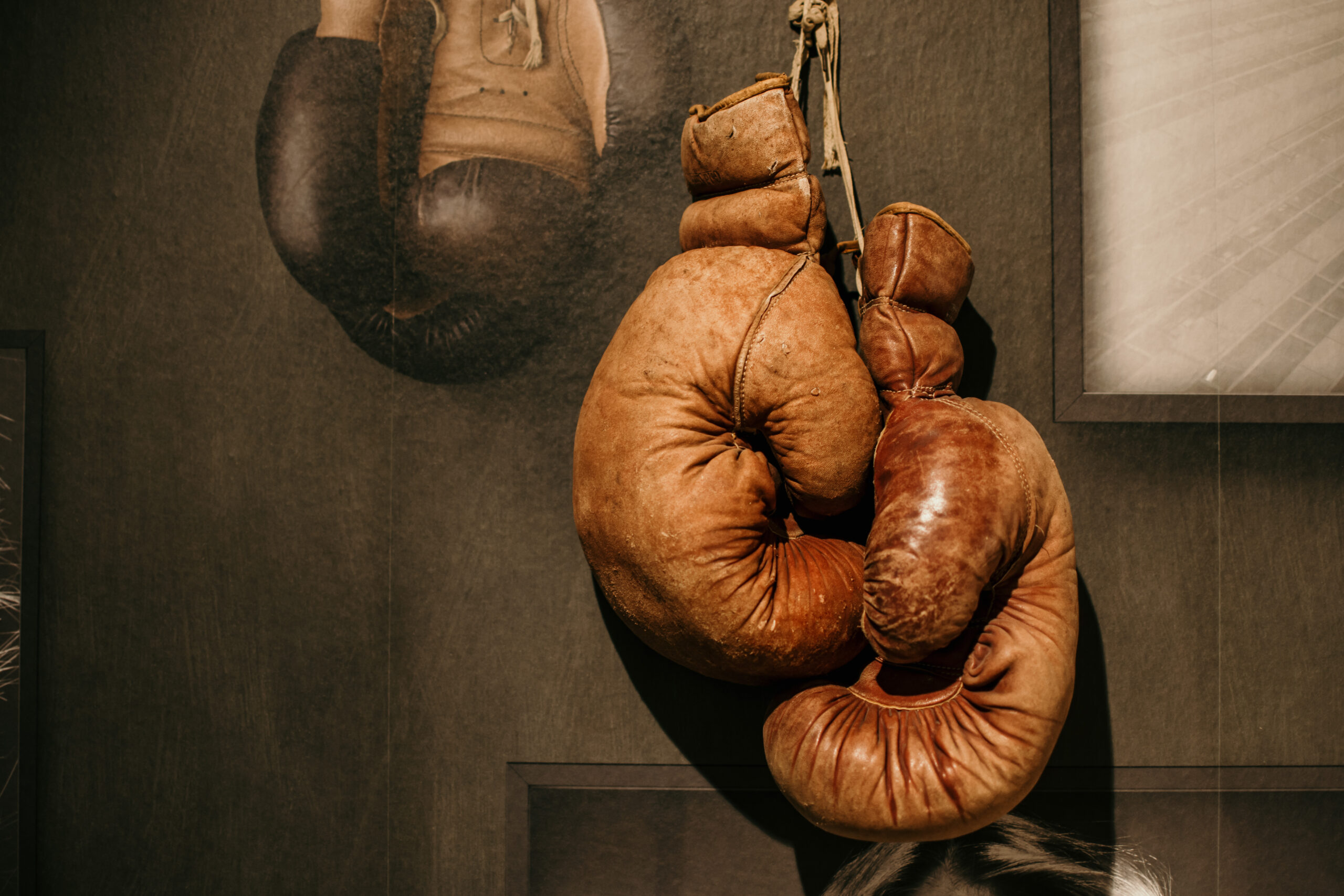
Old boxing gloves hanging on the wall

3. FraGue’s Dance Evolution

The rhythm first found me in 1999 at Tanzschule Seifert in Salzburg. Ballroom dancing was my first love, and I even tried my hand at some competitions. But the real transformation came when I tried a breaking class. The acrobatic moves and the street style were irresistible. The ballroom took a backseat, almost immediately. An injury once paused my dance journey, pushing me towards hip-hop, house, and krumping. This diversified my dance palette, later leading me to dance in theatre productions with dance troupes like Nobulus and Hungry Sharks.

4. From Passion to Profession: The Rookies at Work Story

2014 was a hallmark year. Alongside Mike Tike and Cosmic, I founded Rookies at Work GmbH, a venture born from our shared passion for breaking. Our flagship event, Circle Industry, soon became the biggest international breaking battle in Austria. Being the agency doing the Red Bull BC One Cyphers in Austria and later Red Bull Dance Your Style Austria added more feathers to our cap. Our repertoire expanded to encompass social media and advertising. But there came a time when I stepped back to prioritize my art. Today, I’ve rejoined the ranks, albeit in a different capacity – speaking as a regular employee instead of a shareholder, ensuring I’m grounded at home for my young daughter and my wife. More about this part of the journey will follow later.

5. An Affair with Fantasy – RPGs and LARPs

Way before dance took over, role-playing games (RPGs) dominated my free time. DSA, Shadowrun, and Vampire: The Masquerade were my gateways to otherworldly realms. LARPs, akin to improv theatre without an audience, followed suit. Organizing a few LARPs, I found my interest for orchestrating stories, a passion that probably sowed the seeds for my theatre and film projects.

FraGue as an undead archer at Conquest of Mythodea

6. Telling Stories on Stages and Screens

Alongside my wonderful wife, I’ve crafted multiple pieces for the theatre stage and short films. We used dance and music as the core medium to tell stories, as it is a language capable of expressing emotions and narratives in ways that words can’t. Currently, I am taking a break from creating stage pieces, but there are still some stories to be told. When and how? I don’t know yet.

Pied Piper Reloaded is the first of our dance shorts. Check out the trailer above.

7. Twirling Torches: Merging Martial Arts with Mesmerizing Moves

Swirling weapons have a meditative charm. Martial weapon flow blends the finesse of dance with martial prowess. This synergy of my twin passions – dance and martial arts – feels like home. And what’s more exhilarating than setting the props aflame? My go-tos for a fiery spectacle are the Nunchucks and the staff, but when not burning, I sometimes indulge in fluid routines with short sticks and knives. Someday, I will also learn rope darts or meteor hammers.

8. Artfeeders – The Quest for Artistic Sustainability

Alongside my better half, I embarked on a mission: founding an association dedicated to the cause of freelance artists. We’re committed to uncovering and imparting methods enabling artists to sustainably monetize their talents without burning out.

The association continues under the name Artfeeders, which was originally the project name of our productions. Since the name perfectly suits the association’s topic, we decided to stick with it.

9. Life’s Most Rewarding Challenge

Today, two roles define me profoundly – being a husband and a father. Navigating these roles, ensuring I’m present, supportive, and nurturing, all while staying true to my essence, is both the most challenging and rewarding endeavor of my life.

Part of this challenge is also staying on top of potentially harmful developments in our society and ensuring I am ready to deal with them if the need to protect the family arises.

10. From Footwork to Footnotes: FraGue’s shift into writing

With the birth of our daughter, the need to be around the family took center stage. The tours, the travel, the on-the-road lifestyle weren’t conducive to the environment I wanted to provide. And thus, pivoting from the stage’s spotlight to the soft glow of my laptop was the correct step, when life presented another opportunity. I began to craft sentences and paragraphs instead of steps and choreographies. As I had already run a blog before that, the transition was not a hard one.

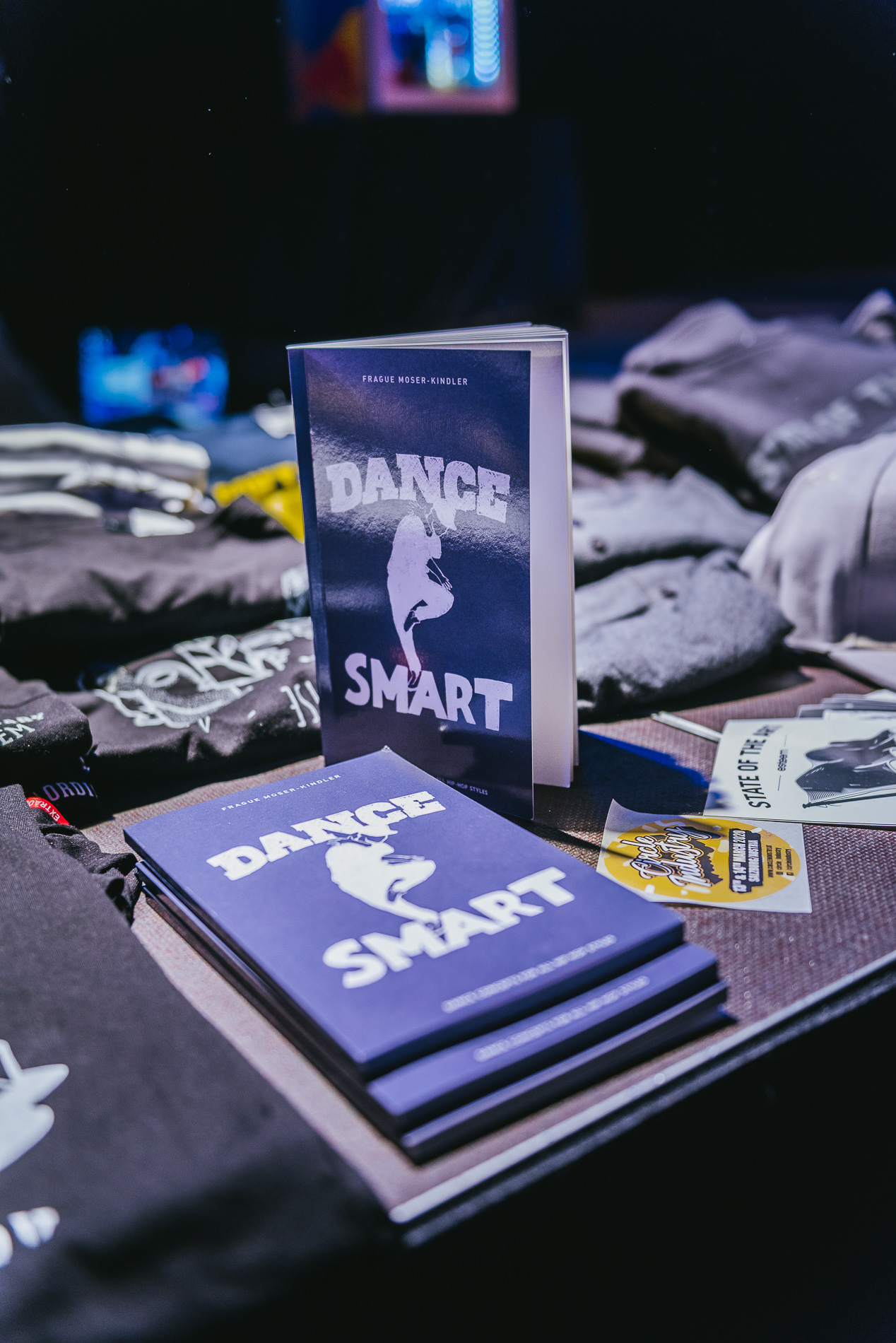
I published Dance Smart, together with Da Bürgermasta, Performance Skills, and The Dance Business Manual. These a glimpse into my view of the art that defined me. Already stepping into this field, the opportunity to join the editorial team of one of the biggest brands in dance came up, and I took the leap of faith into yet uncharted territory. Somehow it worked.

Dance Smart at the Open Qualifier for Circle Industry 2020. Photo: Christian Poschner

I realized that stories, like dance routines, can inspire and educate. While the pivot was initially due to the circumstances, it made me appreciate the beauty of expressing through words. My daughter’s giggles while hearing some of my hilarious rhymes or her joyous dances that never follow the guidance I offer reassured me – sometimes, life’s unforeseen pivots lead to the most harmonious tunes.

Speaking about tunes, there’s another one incoming.

11. Sonic Sketches: Drawing Tunes from a Dancer’s Heart

When I was young, I played a little bit guitar and the keys. Sadly, I didn’t persist. But the allure of music is still too potent to resist. The Cajon resonates with my rhythms, and my attempts with the guitar and Ableton Live bring joy. Under the moniker Moskin Tribe, I’ve embarked on a musical voyage. While I did not release much, there are some pieces you can listen to below.

And sometimes, I play the supporting act, mixing and mastering the superior musical compositions of my wife.

12. Raw Realities: FraGue is chasing the Unadulterated Truth

Remember ‘The Matrix’? I’ve always been a Red Pill kind of person. I have an insatiable hunger to confront unsettling realities over comforting delusions. This journey of discovery means I’ve often revisited and reshaped my beliefs. When I stand by an opinion, know that I thought it through.

I also think speaking the truth is more important than not offending people and that being offended is a choice. Most of the time, being offended is a bad choice.

But I still have a sense of humour and can laugh about a good meme.

13. Inner Echelons: Navigating Meditation and the Mysteries of Qi Gong

The frenetic pace of parenthood made me cherish the serenity of meditation. Taming my restless mind turned out to be a prerequisite to functioning and staying on top of my responsibilities. My spiritual quest and search for more ways to stay in shape introduced me to Qigong, which is currently the biggest thing in my life after my family. Since January 2024, I have been teaching what I learned on my Qi Gong journey.

14. Exploring Artificial Intelligence

Artificial Intelligence is one of the major developments of our generation. And it goes way differently than most of us imagined. Very few people expected AI to become a competitor in the creative field first. But it did. While the moral and ethical concerns around the topic are fully valid, and I dislike that I must compete with bots and LLMs, pretending that it is not happening would be naive. Imho, we are beyond the point of no return.

Understanding what AI is, how it does what it does, and how to utilize it ethically is probably the most important skill to stay relevant in tomorrow’s job market. It might not be the most important thing for me personally, as my skill set can carry me easily for the rest of my days. I am still dedicated to learn, as the tech is highly interesting, and I want my daughter to be prepared for the world that’s to come.

This is, in short, my story until today. But there’s more to come.

Categories
business

NFTs and Art: A New Era of Distribution and Trading

Selling and distributing art has always been a pain in the ass, but blockchain offers a potential solution with NFTs – which stands for Non-Fungible Tokens. Imagine being able to sell your piece of work, which can be everything that you can bring into the digital space, immediately and worldwide with 100% proof of who created it, who bought and therefore owns it, and built-in mechanics to collect royalties if it is resold. That is the concept behind NFTs.

Navigating the Old School Art Scene

Let’s be real. Selling and getting your art out there in the traditional art world is like navigating a maze blindfolded. Galleries and auction houses act like they own the joint, picking and choosing whose art gets to see the light of day. This means a whole bunch of seriously talented artists get left in the dust, struggling to get their work in front of the people who might actually want to buy it.

And don’t get me started on pricing. It’s about as clear as mud. The price tag on a piece of art has more to do with who you know, what some critic said on a Tuesday, or which way the wind is blowing, rather than the actual quality of the work. Plus, when your art does sell, you’re lucky if you see half the dough. The rest of it goes to the middlemen, and if your work gets resold for a higher price later, do you see any of that sweet profit? Nope, nada.

Now, let’s not forget about the headache that is managing physical art. You’ve got to sort out storage, deal with the nightmare of transporting it without damaging it, and fork out for insurance just in case. And the kicker? Your work can only be seen by people who stroll into the gallery or exhibition it’s in. But here’s the thing. We’re living in the digital age, folks. Shouldn’t there be a better way to sell and share our art? That’s where NFTs, or Non-Fungible Tokens, come in. They might just be the game-changer in the art world we’ve all been waiting for.

The New Kid on the Block(chain)

Imagine this: You take your art, whatever that might be – a painting, a doodle, a digital masterpiece – and you create a digital token for it. This token, my friends, is an NFT, a Non-Fungible Token. It’s unique, it’s special, it’s like a digital certificate of authenticity that says, “Hey, this piece of art? It’s one-of-a-kind, and it’s all yours.”

So, you’ve got your NFT art, and here’s where the blockchain comes in. The blockchain is like a secure digital ledger, keeping track of all the ins and outs of your NFT art. It’s permanent, it’s transparent, and it’s tamper-proof. That means when you sell your NFT art, there’s a permanent record of that sale – who sold it, who bought it, and for how much. It’s like a digital paper trail that can’t be fudged.

With NFT art, you’re not just selling your work to the highest bidder. You’re also setting up a way to keep earning every time your art changes hands. Remember when I said you don’t see a dime when your art gets resold in the traditional art world? Well, with NFT art, you can set it up to get a cut every time your art gets resold. Talk about a revolution! NFTs and blockchain are not just changing the game; they might be able to flip the whole darn art table.

Getting Your Feet Wet in the NFT Art Pond

Diving into the NFT art space isn’t all sunshine and rainbows. At least, not yet. It’s a bit like learning to swim in the deep end. There are a few things you need to watch out for.

First up, the tech stuff. If you’re not a bit of a tech whizz, the whole process of creating NFT art can be a bit daunting. You’ve got to get your head around things like crypto-wallets, gas fees, and minting tokens. And if those words sound like a foreign language, you’re not alone. But don’t fret. With a bit of patience, a healthy dose of curiosity, and maybe a YouTube tutorial or two, you can get the hang of it.

Then there’s the rollercoaster ride that is the world of cryptocurrency. One minute you’re on top of the world; the next you’re in the pits. That’s because the value of cryptocurrencies like Ethereum or Cardano can shoot up and down faster than a yo-yo. So, if you’re not up for a bit of a thrill ride, this might not be the space for you.

Stepping into the world of NFT art is a bit like embarking on a wild adventure. There might be a few bumps in the road, but it can be exciting.

I suggest you get on-board immediately, but I understand if you want to watch the space first. Just don’t sleep on it and miss a potential opportunity that could unleash your work. Early adopters are always the ones who profit most when “their” tech goes mainstream.

If you want to read up on how to turn you art into an nft, check out the projects below.

  • NMKR.io is a platform that allows you to mint and sell NFTs on the Cardano Blockchain.
  • Opensea is one of the biggest marketplaces on Ethereum
  • LooksRare is one of it’s main competitors
  • jpg.store is an amazing marketplace on Cardano

My experiences with NFTs

I tried it and created my own NFT. As I can’t record a more significant dance piece right now, I went with a comic that speaks to the crypto-community. I am not a painter myself, so I commissioned the piece. Setting up the contract was a matter of 3 minutes, but I already had a crypto-wallet ready for use and understand how code and computers work.

It cost me around 0,17 ETH (which is EUR 230 at the moment of this writing), including the artwork itself and the fees to set up the smart contract.

As my intent is not selling but getting my head around how it works, I priced the token relatively high for what it offers. If someone buys – nice, if not – I have a token that predicts the future of cryptocurrency, created in 2021 – before the whole world started talking about NFTs.

In case you are interested, here is my first NFT “A Taste of Things To Come.”

The success-story of Beeple

Beeple has become a significant figurehead in the NFT world, having sold his digital art piece “Everydays: The First 5000 Days” at Christie’s auction house for a staggering $69 million in March 2021. This sale not only propelled Beeple into the spotlight but also accentuated the potential of NFTs as a revolutionary tool for artists. With blockchain’s authentication and royalty mechanism, artists could now reap the benefits of their work’s resale, disrupting traditional art market dynamics.

Beeple’s monumental success has also highlighted the democratizing aspect of NFTs in the art world. Unlike the usual high-end art auctions catering primarily to the upper echelons, the NFT market invites participation from anyone with an internet connection and some cryptocurrency. This innovative approach offers a new platform for artists and collectors alike, expanding the boundaries of the art market.

The Future of NFT Art

As we continue to witness the digital revolution unfold, one of the most intriguing developments in the art world is the rise of Non-Fungible Tokens (NFTs). These digital assets are transforming the way art is created, distributed, and traded, harnessing the power of blockchain technology to bring about a new era of art appreciation and ownership. NFTs provide a digital certificate of ownership that can be bought and sold, with the blockchain forever showing the original creator. This is a significant evolution from traditional art markets and one that could potentially revolutionize the industry.

Currently, NFTs are slowly drifting into the mainstream, and everyone who gets on board now can be considered an early adopter. At the moment, NFTs are priced and bought in cryptocurrency, which is likely to remain the status quo for a while. However, with the rising popularity of NFTs, there will likely be more apps and service providers that will make it easier for everyone to enter the NFT space​.

Moreover, a plethora of NFT creator software has emerged, catering to different needs and skill levels. For instance, GoArt enables the conversion of images into realistic artistic works and efficiently mints NFTs. PixelChain is an NFT creator software that stores information and metadata efficiently in the chain, ensuring that the data is always accessible. Nifty Ink is a platform that allows artists to create, sell, and earn tokens without learning blockchain techniques. Other notable software includes Fotor, NightCafe, VoxEdit, and Hotpot.ai, each offering unique features to aid artists in their NFT creation journey​2​.

NFT Trends and Implications for Artists

As for the future trends in the NFT art space, it’s important to note that the landscape is rapidly evolving and can be influenced by various factors such as technological advancements, market demand, and legal regulations. While I was unable to find specific future trends due to time constraints, I can infer a few potential trends based on the current state of the NFT art market.

  1. Increased accessibility and ease of use: As the technology matures, the process of creating and trading NFTs is likely to become more user-friendly, attracting more artists and collectors to the space.
  2. More diversified use of NFTs: While NFTs are currently popular in the art world, they could be used for a wide range of digital assets, including music, virtual real estate, and digital collectibles.
  3. Integration with other technologies: We might see more integration of NFTs with other emerging technologies such as virtual and augmented reality, which could create new ways for artists to showcase their work and for audiences to experience it.
  4. More regulatory clarity: As the NFT market grows, it’s likely that more regulations will be put in place to address issues such as copyright infringement and fraud, which could impact how artists create and sell NFT art.

While NFTs provide exciting opportunities for artists, they also come with potential risks and challenges. These include price volatility, security concerns and the environmental impact of blockchain technology. Therefore, artists should carefully consider these factors before diving into the NFT art world.

Will you be brave and early as one of the early adopters, or do you prefer to watch and see how it goes before you jump on the train?

Categories
business

About clear communication and its importance

Clear communication is one of the essential pillars of running your business. It optimises workflows and saves you and your customers a lot of headaches. If neglected, it is a guaranteed set up for misunderstandings, that can damage your relationship with the customer or partner (fellow performers, booking agencies, etc).

The goal of clear communication

We aim to answer all necessary questions and make requirements as well as the outcome clear for everyone. One issue that arises regularly is that details remain unclear because one side thinks they are apparent while the other side is unaware of the point at all.

Let’s take a show booking as an example: the following points require clarification:

  • Location
  • Date
  • Time of the show
  • The arrival time of the dancers
  • Is there a soundcheck/tech rehearsal? If yes, when?
  • How do you deliver the music?
  • Space requirements/availability for the show
  • Which floor is in the venue? It there the need to bring PVC or something else?
  • How many dancers are part of the show (is not needed in every case, especial when the group is big)
  • Do you need additional rehearsal-time on the stage due to insufficient space?
  • Is there a dressing room for the dancers? Do you share it with another group? Can you lock it?
  • Who is the contact person for the dancers on-site? How can we reach them?
  • Who is the main contact person on your team for the customer? Make sure they have the phone number.
  • How much does the show cost? Include travel expenses or at least negotiate that they are covered.
  • Invoice Adress
  • Is catering provided for the team (not necessary in every case but you should clarify it)
  • If the show is late or the travel is long: who takes care of accommodation?

Depending on the type of shows you do, there might be more or less points to discuss, but it is more than the regular customer thinks about when he is not used to booking a show.

The principle is the same for every business communication.

The rules of clear communication

  1. Don’t assume. If something is unclear, ask.
  2. Try to speak/write in a language that avoids technical terms or explain them. Your counterpart might not know those.
  3. Have it in written form so that everybody can revisit it, in case of uncertainty.
  4. Don’t be afraid of being the one who points out that some parts are still unclear or missing. While some people might perceive it as counterproductive or even rude in the beginning, everyone will thank you in the long run.

Make it a habit to make things clear

Making things 100% clear for everyone gives you and everyone involved the security of knowing what’s up. There are neither loose ends nor room for interpretation. 

That is precisely what we want in our business. Applying clear communication standards to all of our business talks/mails lets you work and sleep better.

Categories
blog

Your Art is NOT the Issue

Many artists and content creators struggle with monetizing their work. They are confronted with biases and self-doubt. More often than not, they think the problem is that their art is just not good enough. In the majority of cases, this is not true.

Being an artist and the ability to earn money from your art are two entirely different animals. Turning your art into a sustainable business needs an entrepreneur’s mindset. More important, mediocre art can thrive, if paired with a viable marketing approach.

The main issues why artists fail to generate income with their work are:

As an artist, we don’t have to take care of everything on our own but can trust others with taking care of those things for us. I still recommend doing everything yourself for a short amount of time, so you know what these tasks are about.

As you see, I am back at writing. Let’s dive deeper into these topics in the near future.

Categories
business

Dance Business Possibilities: How to make it work

We already talked about the elements we need to master to run a dance business (and I strongly believe it is the same for almost every other business) and become a professional dancer. What we did not cover are the actual possibilities that we have to create income. I separate those into primary possibilities and secondary ones. The primary ones are the things that directly involve your dancing skills, and the secondary ones are things that you can apply your dance knowledge to and therefore turn into dance-related work.

Let’s look at the primary ones. While all of these are very diverse on the inside, you can split it up into four general activities.

Performing

Performing can be summed up as “dancing for an audience”. It is not relevant what kind of “piece” you perform or in what “stage situation”. Productions can be contemporary pieces, dance theatre, musicals, commercial shows, street shows and performing for movies, music videos or ads in front of a camera. If you put in the work, performing can bring you a stable income.

For most of us, performing is done on a freelance base where you write an invoice and must take care of everything tax-related yourself. If you are lucky, you can get into a standing company that can employ you. In this case, they would pay for your insurance and tax. The downside of performing is that it is not completely in your hand how many shows you can do because you never know how many gigs you will book.

Teaching is your solid base for any dance business

Out of these four primary work fields, teaching is the one that is most reliable in terms of a steady income. It might not be the one you can earn the most money with, but it provides stability and security. As soon as your classes are established and running, you know how many people come to you. Therefore you know how much cash will be in your pocket at the end of the month.

Teaching can be done as a freelancer or employed. Depending on the laws in your country, only one of these options might be legal. The downside of teaching: if you have a lot of classes, it might feel like a regular job and can get boring if you are not good at motivating yourself.

Choreography

Creating the choreography for performances, shows or camerawork is one of the opportunities that can earn you a lot of money in a short time. If you are booked by a big production to do this job you develop the dance and rehearse with the cast until they can do it. Then your job is done.

While they do the performances, you are already good to go and work on the next job. Downside: You need some strong references or a good network to book the jobs that pay well.

Competing is part of the marketing for your dance business

You can earn money by winning battles. There is price money out there. But the events that have a proper amount of it are rare, and the competition is fierce. If you are not top of the pops – this will not work.

In my opinion, competitions should never be seen as an income stream. There are other reasons to join competitions like building your name, testing your skills and having fun, but for most of us, it is not an option to rely on.

So far, so good. Let’s look into some secondary possibilities that can directly benefit your dance career development:

Working in or running an artist agency

An evergreen that has tremendous value. If you are doing the booking in an agency that books dancers, you might be able to book some good jobs for yourself or your crew. As no serious agency gives gigs to people they don’t know, you will meet many people aspiring to a dance career that might be future colleagues on stage.

Therefore you are sitting on the source for jobs and potential new colleagues. Of course, your agency needs to be cool with you doing this, but if you do great work and have the skills to convince on stage, there should not be a problem. On a side note: if you are running the agency yourself, it’s no problem at all.

Producing stage pieces

This one is big. It is a shitload of work but can pay off. I live in Austria, and at the time I started there was no hip hop dance theatre in the country. In 2006 we started working on changing that – and we did. In the last ten years, Austrian dance companies, crews and solo artists created more than 15 pieces in a genre that did not exist before in our country. I call this good work. *brofist to everyone who did a piece or show; you know who you are*

At the start, most people tend to choreograph and dance in the pieces they produce. So you just created the opportunity for you to do more work. If you are creating pieces for more dancers, you start meeting new people again and grow your network.

Making the event

Creating Dance Events is as big as producing for the stage. You help your scene to grow. You build opportunities and depending on your kind of event, you get to dance yourself. Possible events are jams, competitions, theatre, workshops and so on. You can get creative with this one. The best thing about making events happen is that you meet many people who dance too. If you treat them well, they will eventually become a great addition to your professional network.

And now on to some possibilities where you can fill a niche that might be unreachable for someone without a dance background.

This list is a bit longer and more creative than before. Most of the following jobs are perfectly doable without any dance knowledge. But being able to dance or having the daily practice you need to stay on top of your game will give you an edge. Sometimes, you can use your knowledge to become an expert in a niche, which is always an advantage. The list is in no specific order.

Photography/Videography

I put those two together, which does not mean you need to do both, but all points are valid for both. Every event that wants to grow requires proper documentation or ads. As a dancer, you better understand what to shoot and can produce better images. You can also use this to create products like photo books, prints or movies that might give you some income through sales.

Writing

Dancing is trendy at the moment, and many companies are investing in the scene to grow their revenue. If there is some expert knowledge needed for blogs, copy, or whatever, your experience sets you apart from the people who can write but know nothing (like John Snow). If you have valuable stuff to say, you might be able to publish a book and create income through sales. Especially when you are writing for companies and brands, knowing your way around the principles of search engine optimisation pays off a lot, as your text will create constant traffic via organic search.

Commentary

Be it on your own channels, TV productions for upcoming big events, or online live streams. Breaking (which we don’t call Breakdance, remember?) is slowly entering the realms of sports and sports have commentators. With Olympia 2024 incoming, all the qualifying events that lead up to it and even existing events like the yearly Red Bull BC One World Final, which already has multilingual commentary, the demand for dance expertise will only rise.

Acting

Sometimes a role asks for someone well versed in moving and doing stuff with his body that untrained people can’t. I produced short movies myself and heard more than once that it is so refreshing to see “actors” on the screen that know how to move.

Modelling

Most dancers that practise hard have a physique that goes well with being a model. As you train your body regularly, you are always in shape when a request comes in. I have many colleagues who model and dance back to back. The only bad thing about modelling: if you are a living photobomb like me, it does not work.

DJing

Dance needs music. The DJ provides it. While you are not actively dancing behind the decks, you are there at many events and get paid. At good events, the DJs do not have to work the whole night alone. In that case, there is still time to hit the cyphers when your backup is playing.

Producing Music

Go for it when you have the taste and skills to create danceable music. Dancers are always on the search for new music. If you can deliver, you have nothing to worry about. This is another one that can add money from selling your music or through royalties.

Fitness Trainer

New trends are coming up in the fitness world every day. At the moment of this writing, Breakletics is a thing, as well as dance fitness. If you are into this stuff, you can seriously pimp your income because people are fast in spending money on their “healthy lifestyle”. I did some of those earlier in my career, and these were the most profitable classes with the most participants I ever had. And this might go very well with being a fitness model for the club you are working at.

Yoga/Pilates/whatever teacher

This one could also be in the other category (stuff that aids your dance career). Some people get deep into Yoga, Pilates, Feldenkrais or similar practises. While I know, those are very different, this makes no difference from our business perspective. Teaching might come naturally to you if you get deep enough into something. That is the case here. Like the fitness trainer above, it is a chance to add substantially to your income. Some of my friends established themselves as dance experts in physiotherapy. A smart move, and it works. Maybe you can design a yoga class tailored to the need of dancers.

Judging

If you build yourself a reputation that will get you invited to judge significant events, then you can earn money by judging. This said, you need to get to the big battles. Smaller competitions can pay you most of the time, but the income is insignificant.

With breaking into the realm of Olympia in Paris 2024, judging will become a stronger option as all the events leading up to Olympia require certified judges. Get this certification if you want to judge WDSF events that qualify for the Olympics.

I am pretty sure I forgot something, probably a lot of things. If you can think of additional dance business ideas, let me know in the comments, and I will add them to the list. And I will give credit for helping me out. With the work fields above, there is one important thing. While you can make money with them, you need to be good. Doing any of those bad will damage your reputation while killing time you should use for dancing. So there is no easy-going in any of those.

Secondary work fields are things where you do not actively dance, so they take away time from your dancing. This sounds not too beneficial at first sight, but there are reasons why you might want to include secondary work fields in your job setup.

  1. your secondary job benefits your active dance career (the first list of secondaries)
  2. your knowledge of dance qualifies you for a job that non-dancers could not do or makes your results better than those from a non-dancer (the second list of secondaries). This makes negotiating higher fees/salaries easier.
  3. you cannot yet support all your financial needs by dancing alone.
  4. you are not that much into “the hustle” and appreciate the stable extra income.
  5. the point we never want to talk about: a lot of the secondaries can provide stability and income when you cannot dance because of an injury or because you need a break, or even when it is time to say goodbye to your active dance career. I know we don’t talk about this. But it is wise to think about it and have a plan.

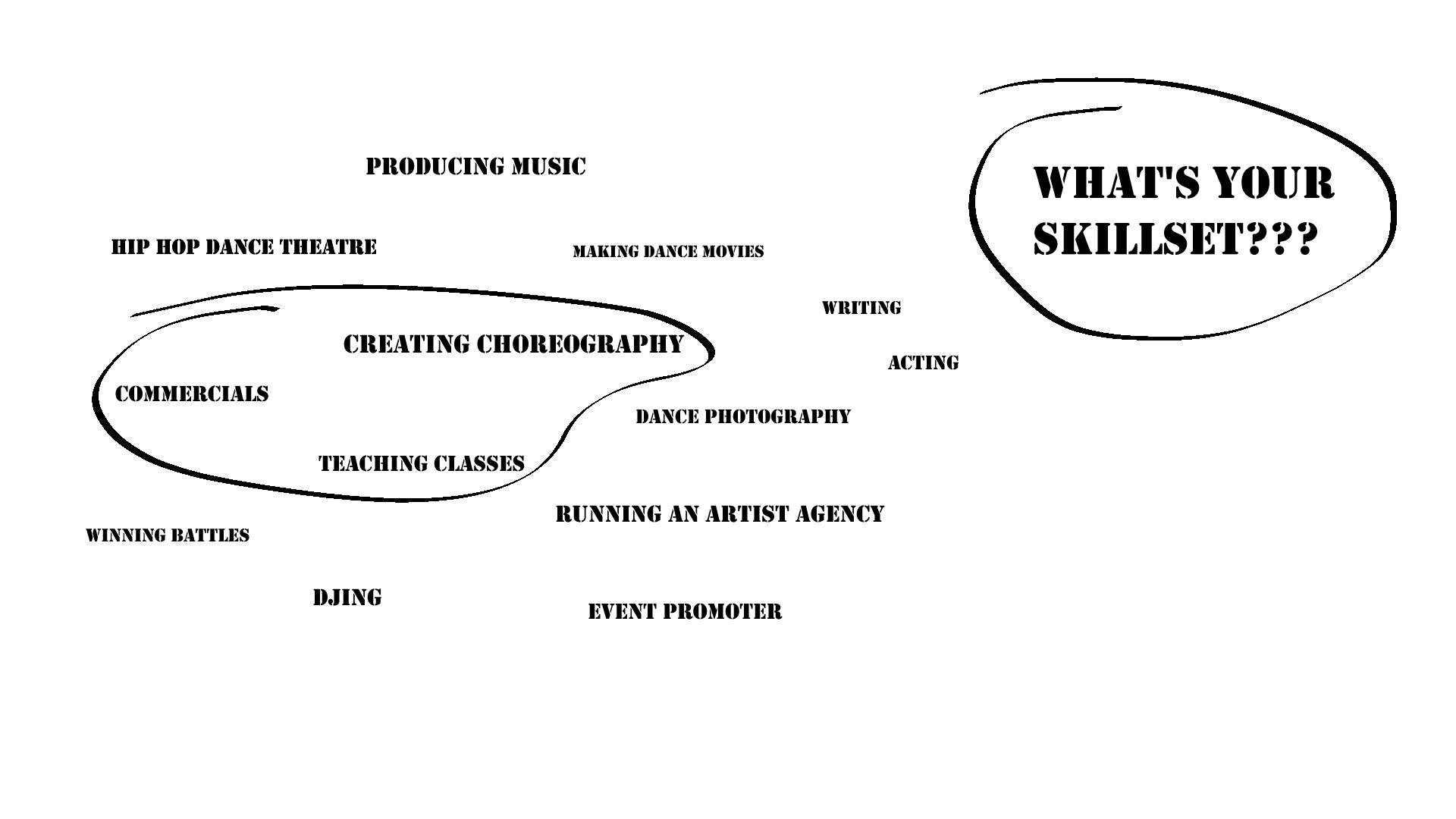
As a research task for you on the path to becoming a full-time dance entrepreneur and creating your personal dance business plan (fancy wordings over here), think about which of the possibilities above might work for you. Where do you have the right skills? What do you enjoy? What would be a thing that you would love to learn that could play into your work in a reasonable amount of time? Go through your options and map them out on paper. There is power in seeing what you can do in writing.

If you want to dig deeper into dance business development, consider buying a copy of The Dance Business Manual. My whole income from book sales goes into maintaining this blog and writing more books to help aspiring dancers thrive in art and business.

Categories
blog mindset

Messy beginnings: Be brave and early

“Messy beginnings:” Doing something that has never been done, or at least has never been done in a specific context. Infrastructure is missing, issues are fixed with patches and bandages. The result is a patchwork from a few or many enthusiastic people that work towards a common goal.

Different people bring different experiences and different opinions, which often leads to disagreements on how to do things. That is the hard part of being first in a new space. But it is also the beauty of the process. Different brains on the same topic, give the option to do things better than in streamlined environments, where we have a “correct” way of doing things.

Working in a new, messy environment gives us room for innovation. That is what’s happening right now with Breaking at Olympia. It is also what is happening with NFTs. Both are messy beginnings and have massive potential to change breaking and business with breaking forever.

Don’t ignore things, just because they are messy. Innovation always is.

Categories
business

Cash Flow: How to make it sustainable as a dancer

Cash Flow is the way we use our money to handle life. It is not exactly something that we are usually taught in school, but it absolutely should be. For artists, a smart cashflow can bring you into a position that enables you to create more, and live the life you want. The points that cover here are valid for everyone, but I use examples from the dance world.

If you want to read up on the matter in depth: Rich Dad, Poor Dad and Cashflow Quadrant from Robert Kyosaki cover those topics in easily understandable language. There is better literature if you are already in the matter but those are a perfect starting point if you want to dig deeper.

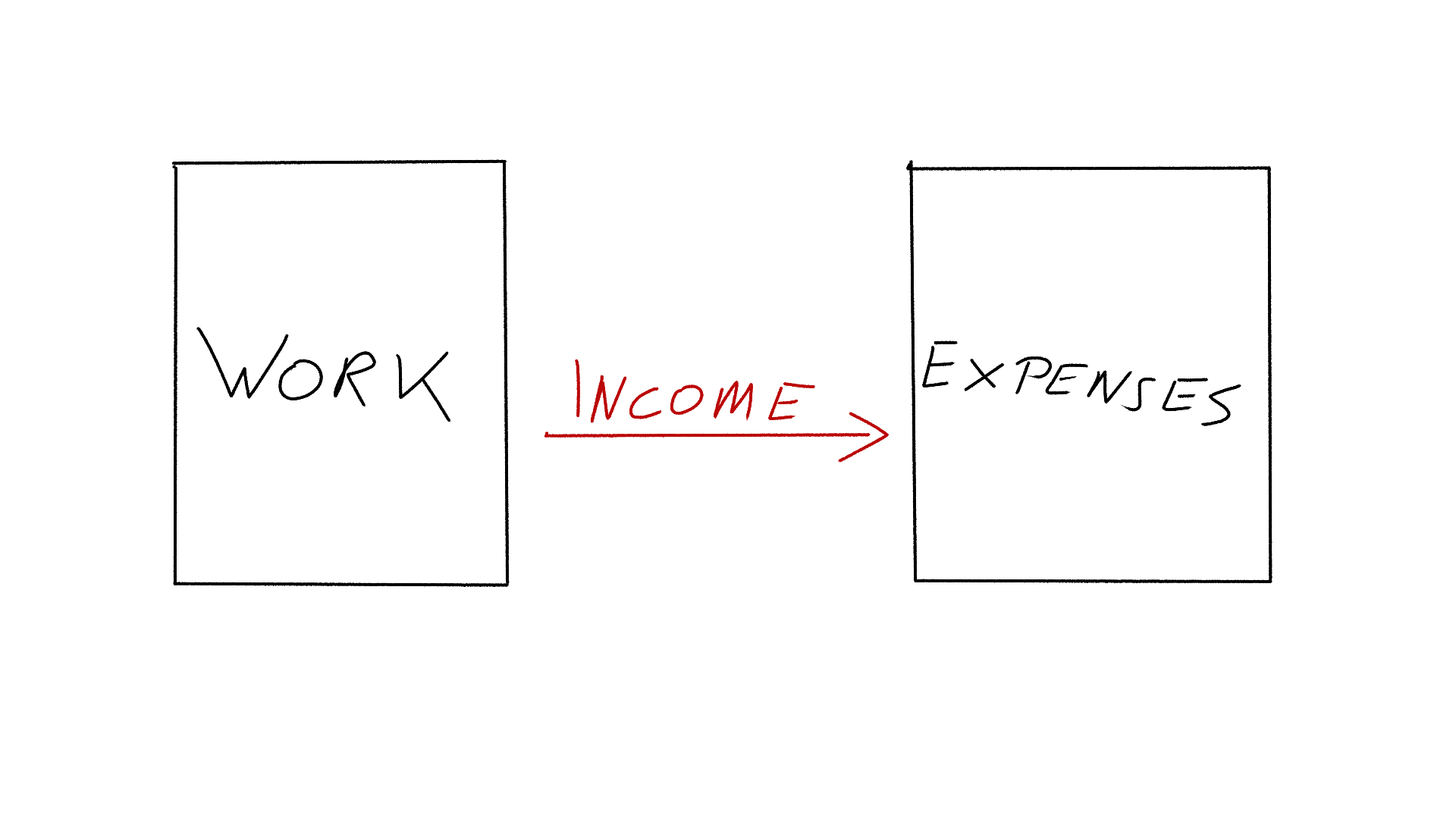
The predominant model – the Rat Race cash flow

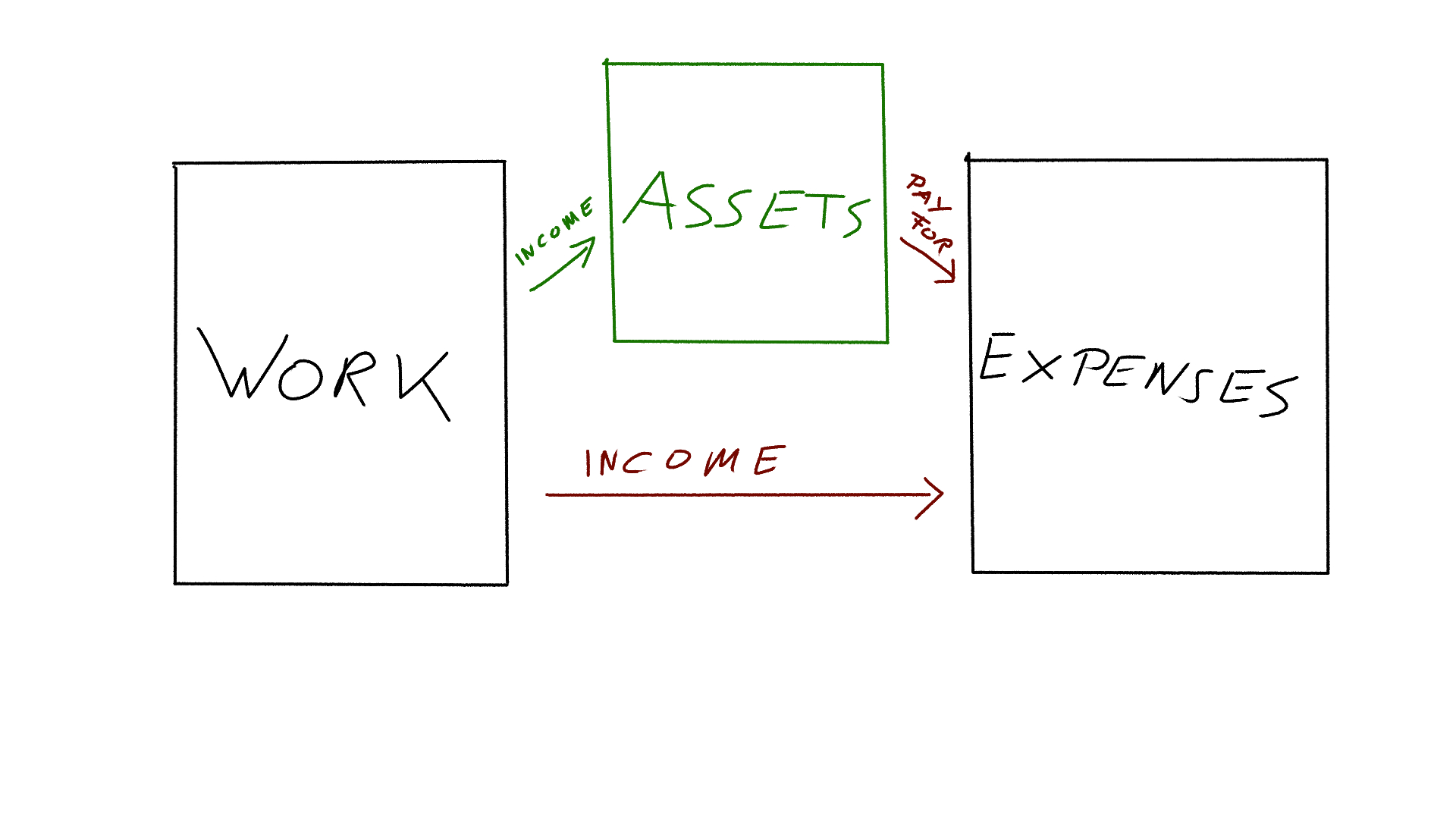
This is how to set up you cashflow if you want to stay in the rat race forever

The majority of people work a job and directly spend the money to cover their fixed cost and additional expenses. It is what is taught in schools. Get a good education, get a good job.

The issue with this model is that at the moment, you are not able to work (or don’t want to), you have no way of covering your costs. Smart fellas have a few months of savings, but it does not change the fact that you depend on your work.

Some folks consider this to be the modern form of slavery. But that is a debate for another day.

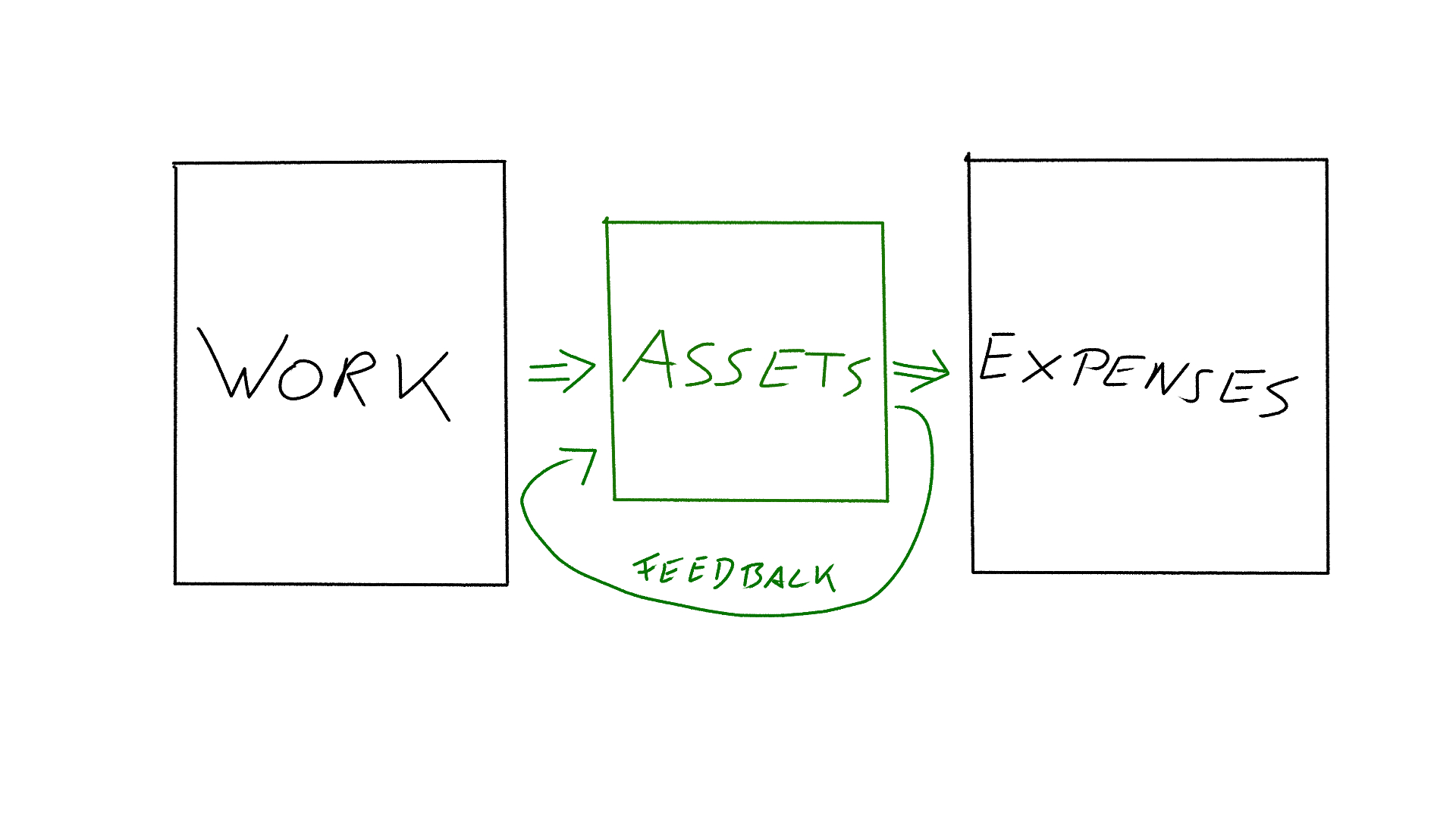
The smart cashflow that can lead to financial independence

A cashflow setup that might free you from the dependence on trading your work time for money

The smarter set-up is to put your work into creating assets that make you money and pay your costs from the income produced by those assets. Assets can be anything that generates income without the need to constantly spend your time on them. Probably the most famous asset, which is also easy to understand, would be real estate. You can rent it out and get money from it. As long as you earn more from the rent than it costs you to maintain the facility, you have a positive cash flow that does not depend on yourself. Other traditional assets would be a company you own or stocks (that come with some risk).

But we don’t have the money to buy a house! Me neither. Luckily, there are many cheaper assets that you can start working on right now, based on your dance skills

Examples of this would be online education based on recorded videos instead of live streams. It can also be books, recorded performances that require a fee to watch, templates for papers that people need, stock images of your artwork and whatever you can come up with.

The significant advantage of the income from those assets is its independence from your work. As soon as you have them up, they can sell while you do other things or sleep. 

In the final stage (call it your endgame if you want), when your income from assets is higher than your costs of living, you can feed the money back into creating more assets.

How do we get there?

The abstract process to optimise your cash flow is really easy, like with most concepts. You start to build your first assets, which provide a little income. This money either goes directly into creating new assets or covers part of your fixed costs. This gives you a little bit of leverage (time or money) to continue building your reputation and assets. Now you repeat the process until your assets provide for your life.

The execution is not as easy, of course. Let me give you an example based on some real numbers from my own career. Suppose writing books would be the only way I had to create assets. At the moment I have only one book on the market. In the first three months of 2021, the average income through its sales was 91 bucks. Not a lot to write home about. 

Let’s do some math. Imagine I have ten of those. Without considering that people who grabbed one book are more likely to buy more, there would be 910 bucks a month. Having 20 would be enough to make a living without doing any other work. Writing 20 books would surely take some time, and neither writing nor reading is for everyone. But in dance, there are way more options than just amassing books to sell. Having the right offer at the right time can make a substantial difference. 

Be brave and be bold. Now is the time to make the change and take your financial well-being into your own hands.

Categories
business

What makes a professional dancer?

I write a lot about the work and life of a professional dancer. Recently someone asks me when I consider someone to be a professional dancer. Good question. Let’s check it out.

What is a professional dancer?

When we look at the words’ definition only, we conclude that a professional dancer is someone who earns his money with dancing. That’s it if we are looking into terminology and what I use to determine if someone is a pro.

What we associate with the word professional

The word professional is loaded with a lot of meaning that is not really part of the package. Here is a list of things:

  • better than amateurs
  • always on time
  • know exactly what they do
  • always available for serious work
  • do everything as long as you pay them
  • comes prepared
  • knows how to behave

And the list goes on. All of these can be true but don’t have to be.

There is also a difference in the mindset between two kinds of people who do business with dance. As much as I’d love to avoid this distinction, it often comes back to me in the form of “but he is not a professional dancer” or something that rhymes with it.

The professional dancer and the dance entrepreneur

You can be both, but most peeps aren’t. The regular professional dancers focus absolutely on their craft – the dance. They perform, teach and compete. That is the lifestyle that we love and surrounds the dance when you look at it outside the dance world.

The dance entrepreneurs dance as well, but they look for opportunities outside the dance as well to nurture their business. This can be the addition of work that synergizes with dance or doing jobs where knowing dance is a prerequisite. These could be social influencers, event promoters, corporate consultants, creatives, or health service providers who specialize in dance topics.

When I talk about the dance business, I usually speak about both of those and I would be happy if we would not need to separate those two.

The detail that makes all the difference

For many professional dancers, the perceived challenge is merely finding and doing more dance jobs. They care a lot about the question, “how can I get more dance jobs?” Whatever answer we find to that question is not the answer to building a sustainable and secure lifestyle around dance.

There are 2 particular reasons:

  1. As long as we look for jobs created by others, we are manoeuvring ourselves deeper into dependency and into a territory of pseudo-employment. 
  2. If our only income source is the jobs we can do, we have a serious issue if we can’t do these jobs anymore. Injuries, government-regulations, loss of interest of the corporations giving us those gigs, … you name it. Almost everyone in dance knows someone who had to quit due to injuries. We can feel the pain of government regulations as a response to the pandemic right now. So this threat is real.

As an entrepreneur, you know about the importance of having multiple streams of income. Independence is the game, as is getting rid of middle-men where possible. This does not mean we can not do gigs with companies or dance paid shows with others. Both are significant parts of almost every dance business I know. The difference is that we don’t want to depend on them and have enough to offer on our own.

Then dance entrepreneur looks for additional ways to offer value and earn money. It is not important which kind you are, as long as you love what you do and feel secure enough. But when you feel the pain of uncertainty and the need for more stability, try to find additional income sources that synergize with what you do. Because you are leaving money behind and make your life harder than it needs to be.

Categories
blog business

Why you should quit the shitty job you hate

Many people who dance entertain the thought of becoming a professional dancer. If you are working in a job that you don’t like or even despise, you should give it a shot. Here is why.

A job you hate is bad for your soul.

The headline is dramatic, I know, but so is the emotional impact of slaving away at work if you don’t care about it. Deep down, you think that the work you do is not worth doing. You know that there is something more fulfilling or even meaningful for you. If you don’t act on that, some of you (probably your subconsciousness – but I’m no psychologist so take the details with a grain of salt) will tell you that you are a loser, a slave or worse.

To lead a fulfilled life, you need to have the whole you on the team, not a part of you throwing punchlines to your head all the time. Trust me, I have been there, felt that, have quit the job and now life is better.

External stress

Deadlines can be a catalyst for good work if you care about what you do. If you don’t, deadlines create unnecessary and unhealthy stress. Most jobs nowadays consist of holding multiple deadlines a week.

Someone else defines that what you do is urgent, but you disagree because it is simply not important.

Living a life, you don’t care about

If you don’t care for the work you do and are working a regular 9 to 5, you spent most of your life sleeping and doing stuff you don’t care about.

That’s one of the things you should read again.

You can simply test out the waters.

There is no need to quit your job immediately if you feel that dance is calling for you. Start it as a side-hustle and see if you can earn some extra money. If you can, slowly decrease your regular work and increase your dance biz.

The good thing is: if you find out, dance is not for you, you can just quit the side-hustle or go back to a regular job. The commitment is not eternal.

Job security is a lie.

With any given crisis, you can lose your “secure” job as well. So there is no need to pretend it is more secure than doing what you love.

Build your vision

You either build your vision or help someone else build theirs. So you always help to make something. What reason is there to help to create something you don’t identify with. What reason is there to slave away in a job you hate?

You owe it to yourself.

You should treat yourself with enough respect to a least try doing something you love. You don’t want to look back at your life and wonder “what if I had become a pro dancer”, do you?